You’ve packed the kitchen.
The closets are under control.
Even the junk drawer has finally surrendered.
Then you look over at the six-foot fiddle-leaf fig you’ve spent four years keeping alive.
“Wait. How are we moving THAT?”
It’s a good question.
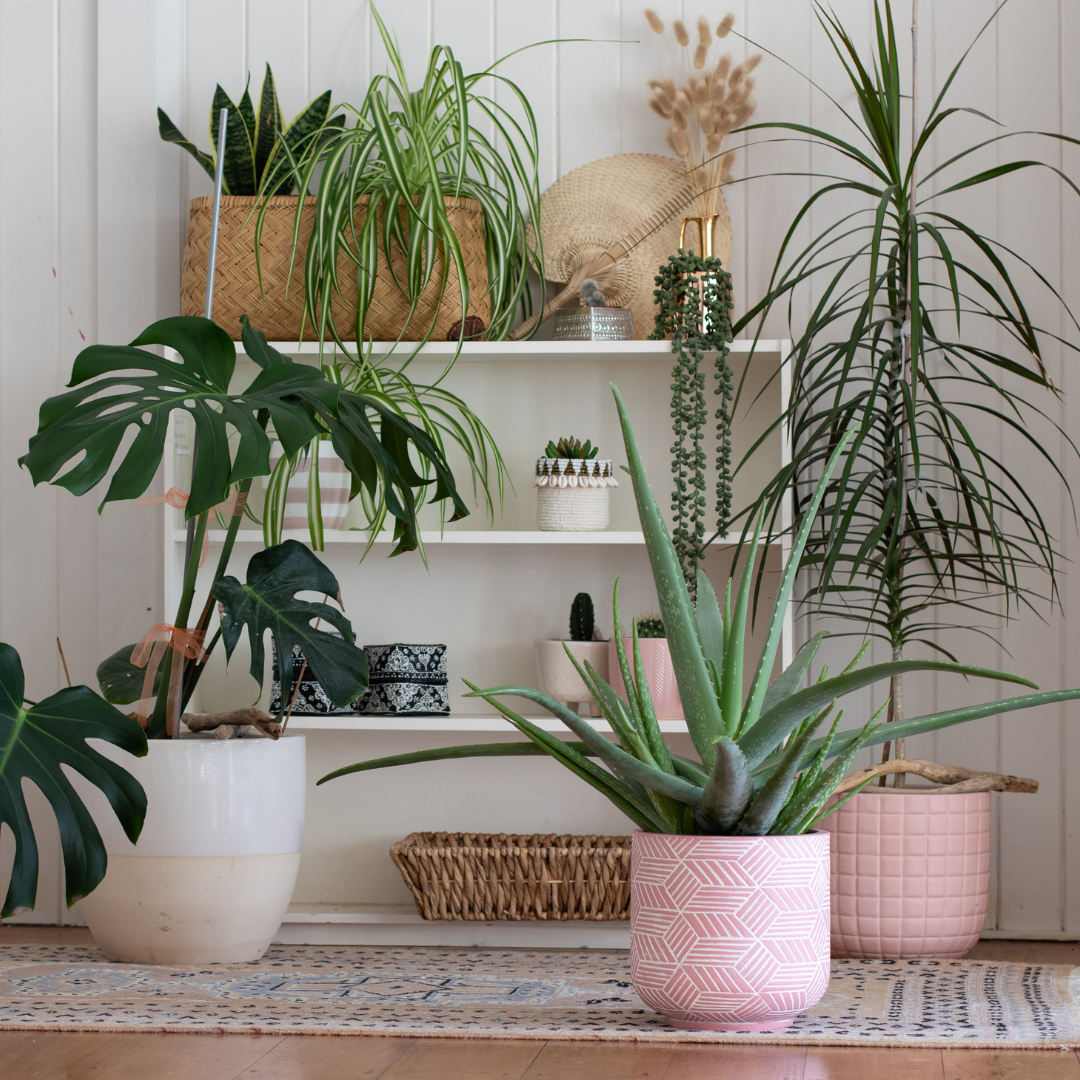
Houseplants aren’t quite furniture, and they’re definitely not moving boxes. They’re living, fragile, sometimes enormous, and occasionally residing in a ceramic pot that weighs approximately as much as a teenager.
So, can professional movers move your plants?
Sometimes.
The answer depends on the type of move, the plant, how it’s prepared, and your moving company’s policies.
Here’s what you need to know.
For a Local Move, Plants May Be Able to Go on the Truck
If you’re moving locally, transporting houseplants is often much simpler than it is for a long-distance move.
But don’t assume they’ll automatically be loaded.
Talk to your moving company beforehand and let them know how many plants you have, particularly if they’re large, delicate, or in heavy pots.
A little warning goes a long way.
“By the way, there’s a seven-foot palm in the sunroom” is information your moving crew would prefer to have before moving day.
Long-Distance Moves Are Different
Moving plants across state lines can get more complicated.
Some states have restrictions on bringing certain plants, soil, or agricultural materials across their borders because of concerns about pests and plant diseases.
If you’re moving out of state, check the rules for your destination before deciding how your plants will travel.
Your moving company may also have restrictions on transporting live plants over long distances, particularly when they’ll spend extended periods inside a moving truck.
When in doubt, ask.
Your Plant Doesn’t Love the Moving Truck
Think about what the inside of a moving truck can be like.
Dark.
No climate control.
Potentially very hot or very cold depending on the season.
Not exactly prime plant real estate.
For a short local trip, that may not be a major concern. For a longer move, temperature-sensitive plants can struggle.
If you have a particularly valuable, sentimental, or delicate plant, transporting it in your own climate-controlled vehicle may be the better choice.
Yes, your monstera may get the passenger seat.
It has earned it.
Give Your Plants a Little Moving-Day Prep
Plants are easier to transport when they’re prepared beforehand.
A few days before the move, remove dead leaves and branches and inspect your plants for pests.
Avoid heavily watering them immediately before moving day. Wet soil adds weight and can turn into a muddy mess if a pot tips.
For taller plants, loosely gather branches or foliage together when appropriate to reduce the chance of breakage. Be gentle—you want to protect the plant, not turn it into a botanical burrito.
Let’s Talk About Those Pots
Sometimes the biggest challenge isn’t the plant.
It’s the pot.
Large ceramic and terracotta planters can be extremely heavy and breakable. Add damp soil and a five-foot plant, and you’ve created a very awkward object to move.
Let your moving company know about large or unusually heavy planters ahead of time.
For smaller plants, consider placing pots inside sturdy open boxes to help keep them upright and make them easier to carry. Cushion the spaces between pots so they can’t slide into one another.
Don’t Seal Plants Inside Regular Moving Boxes
Your pothos is not a toaster.
Don’t pack it like one.
Plants need airflow, and foliage can easily be crushed inside a sealed box.
For smaller plants, an open box can provide some stability while keeping the leaves exposed. Use packing material around the pot, not tightly around the plant itself.
And make sure the box is clearly marked.
Nobody wants to discover halfway through unloading that the box underneath the kitchen appliances contains a fern.
Consider Moving Your Favorites Yourself
Some plants are more than décor.
Maybe you’ve had one for 15 years.
Maybe it came from a family member.
Maybe you’ve somehow kept an orchid alive and aren’t willing to let anyone—or anything—interfere with your winning streak.
If losing a particular plant would genuinely upset you, consider keeping it with you.
You can control the temperature, keep it upright, and check on it throughout the trip.
Just make sure it doesn’t block your view while you’re driving.
So, Can Your Plants Come Along?
For many local moves, yes, they may be able to.
But plants need more consideration than ordinary household belongings. Their size, containers, temperature sensitivity, distance traveled, and any state regulations can all affect the answer.
Tell your movers about your plants ahead of time, prepare them properly, and keep particularly delicate or sentimental plants with you when it makes sense.
After all, they’re moving into the new house too.
Have a Moving Question? Ask the Mover.
Some of the most useful moving questions are the ones that don’t occur to you until you’re standing in your house wondering:
“What am I supposed to do with THAT?”
That’s exactly why we created Ask the Mover.
At TrueMover, we’re happy to help you think through the details before moving day arrives—from tools and dresser drawers to hanging clothes and your favorite fiddle-leaf fig. Wondering about those closets? Here’s how to pack hanging clothes for moving.
Planning a move in Northern Virginia? Contact TrueMover for a free moving quote and let our experienced team help you plan the details.